
Phone Interpreter App vs. Human Interpreter: How to Choose [Use Cases]
When people compare a phone interpreting app with a human interpreter, the first question is often which one is better. But following a public lecture is different from discussing a proposal with a client, and each situation calls for a different kind of support.
I would make the question more concrete. During this conversation, who needs to listen, read, ask questions, and keep a record afterward?
A phone app can turn speech into bilingual captions for personal listening and review. A human interpreter works with the context and rhythm of a live conversation as it unfolds.
01 Is the event a talk or a two-way conversation?
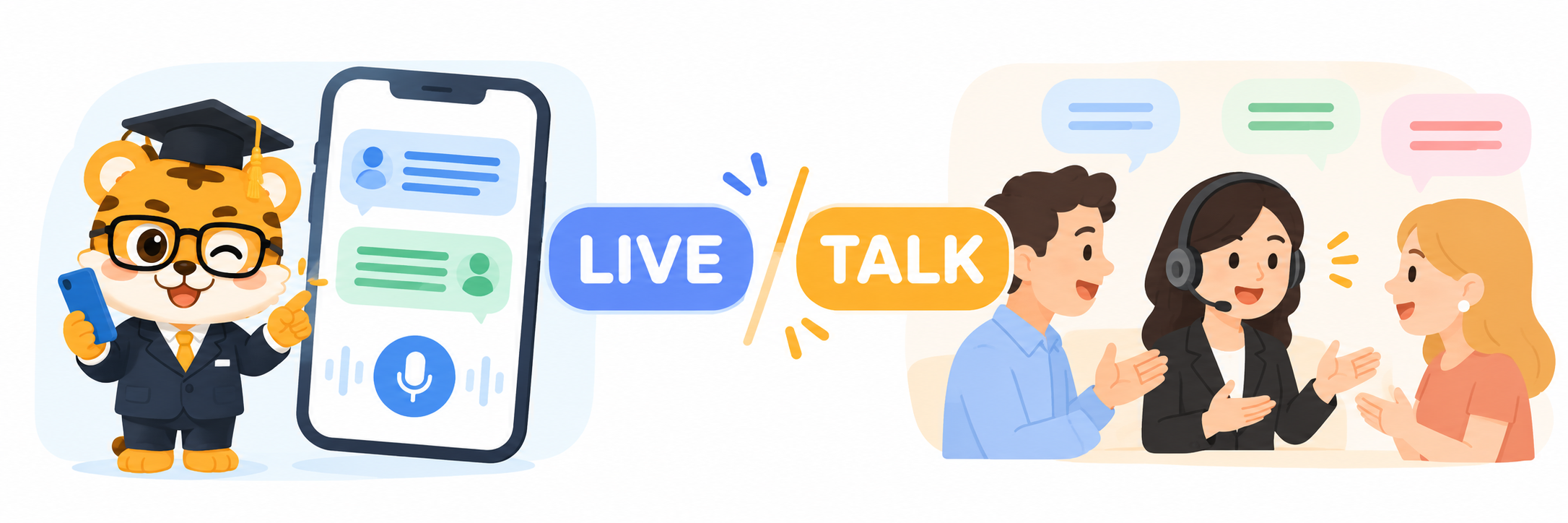
If you are mainly attending a lecture, training session, or online presentation, the speaker may talk continuously while you focus on understanding. A phone interpreting app can fit naturally into that routine. Bilingual captions show the original speech and its translation together, so you can listen and read along, then compare unfamiliar expressions with the surrounding context.
A discussion with several people is different. A client may ask an unexpected question, the host may interrupt, or someone may add a point and then revise it. In that moment, the task involves more than converting words.
Someone needs to follow who is speaking, what a question refers to, and how the exchange can continue. A human interpreter can work with that live interaction and help manage the pace when needed.
Think about your next event. If you will be listening from the audience, your main goal may be following the speaker.
If you are representing a team and need to discuss terms or respond to questions, the conversation itself is part of the job. Separating understanding the talk from moving the discussion forward makes the choice clearer.
I think the amount of interaction is one of the easiest differences to overlook. A person speaking for twenty minutes and four people taking turns around a table may both involve a foreign language, but they are very different assignments.
02 How much context does the content require?
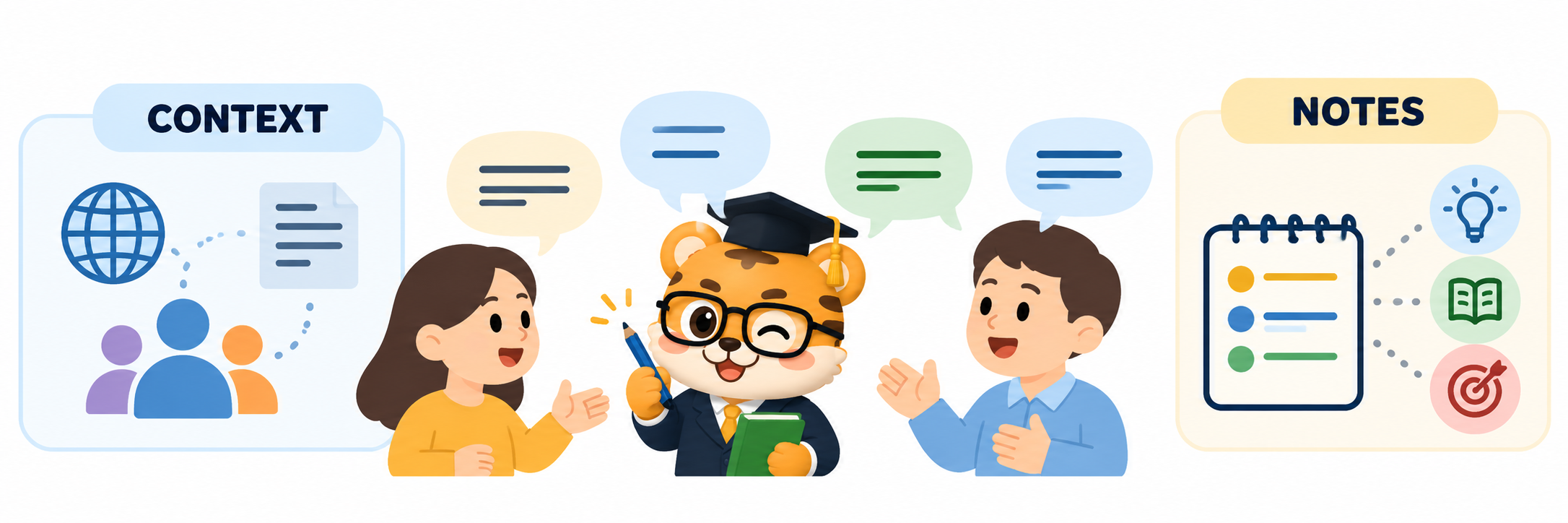
For a class or presentation, listeners often need to follow the main idea, note key terms, and decide what to review later. A phone app can transcribe speech and display a translation as bilingual captions, helping one person keep up with the material. If you are evaluating an app, try it with a public recording you know.
See whether its captions remain readable with the accents, pace, and subject vocabulary you care about.
A human interpreter brings a different kind of support when the meaning depends on context, intent, or live phrasing. Industry abbreviations, wordplay, indirect language, or a chain of follow-up questions may require the speaker’s meaning to be considered across several turns.
In a meeting, a number or a qualification can also shape what the group discusses next. As the conversation becomes more complex, consider the communication goal and the support available in the room together.
This is not a ranking of the two options. A student reviewing a class may care most about following a long explanation and returning to the captions later.
Someone taking part in a negotiation or interview may care more about a natural exchange between everyone in the room. The right criteria come from what you need to accomplish.
If you choose a phone app, start with a short, public recording. Check whether the screen keeps up with the parts you care about and whether the translation helps you understand the main points. A specific trial tells you more about your routine than a feature list alone.
03 Will you need to organize anything afterward?
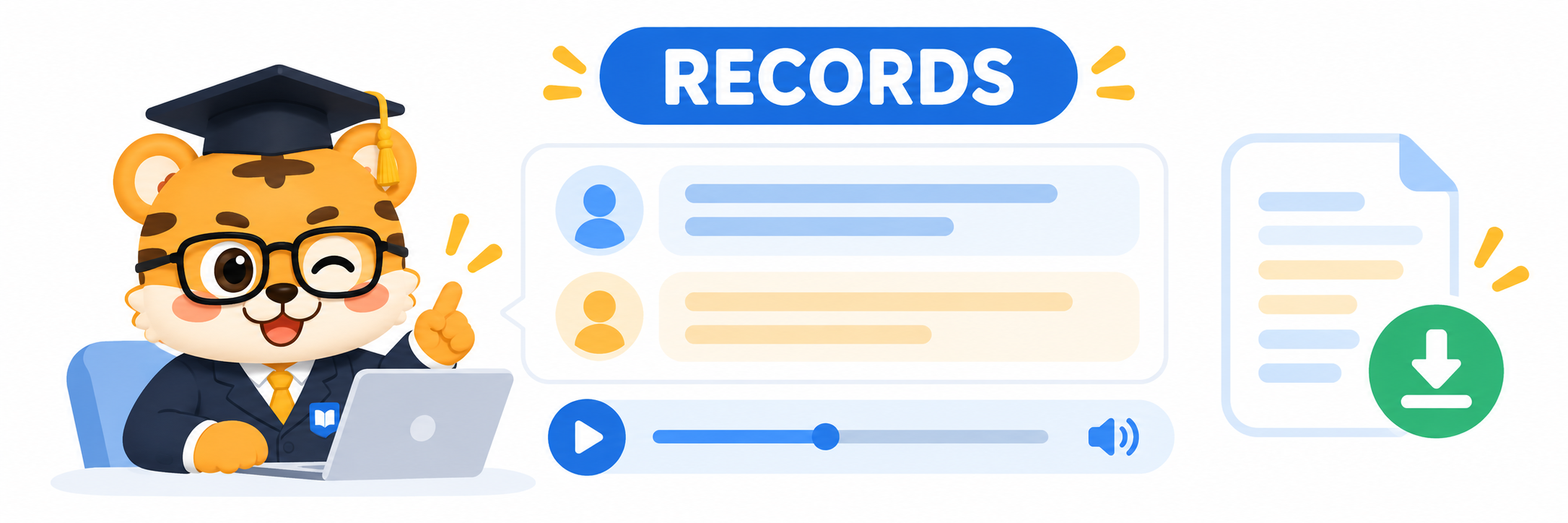
Some conversations are over when the event ends. Others leave you looking for an original phrase, reviewing class notes, or checking what was agreed in a meeting. In those cases, an app’s record features may be useful.
Huhu, also known as 优秀同传, is designed for classrooms, meetings, and cross-language communication. It supports live bilingual captions, saved interpretation records, and bilingual SRT export.
The web experience also includes WAV and MP3 audio import and transcription.
Visit the official Huhu website to see how it can fit a listening and review workflow.
A human interpreter is part of the live communication process. Depending on the event, the interpreter can prepare with the meeting team, convey what people say, and handle language between participants.
If you also need a transcript or formal minutes afterward, that is usually a separate organizing task. Agree in advance on who will prepare it and in what format.
When choosing, picture the event before, during, and after. Do you need to share terminology or materials beforehand? Will people mostly listen, or will they interact repeatedly?
Afterward, will you need to check the original speech or export captions? Your actual needs often become clear when you follow the whole workflow.
So, there is no single answer for every phone interpreting app versus human interpreter decision. For individual classes, public talks, and later review, check whether bilingual captions and saved records fit the task.
For highly interactive discussions, complex topics, or communication that needs live coordination, consider a human interpreter. Define what the event needs to accomplish, then choose the support that can carry the whole task.
If this guide helped, feel free to leave a like.
Thanks for reading. See you next time.