
Why Use a Simultaneous Interpretation App for Lectures? [3 Key Differences]
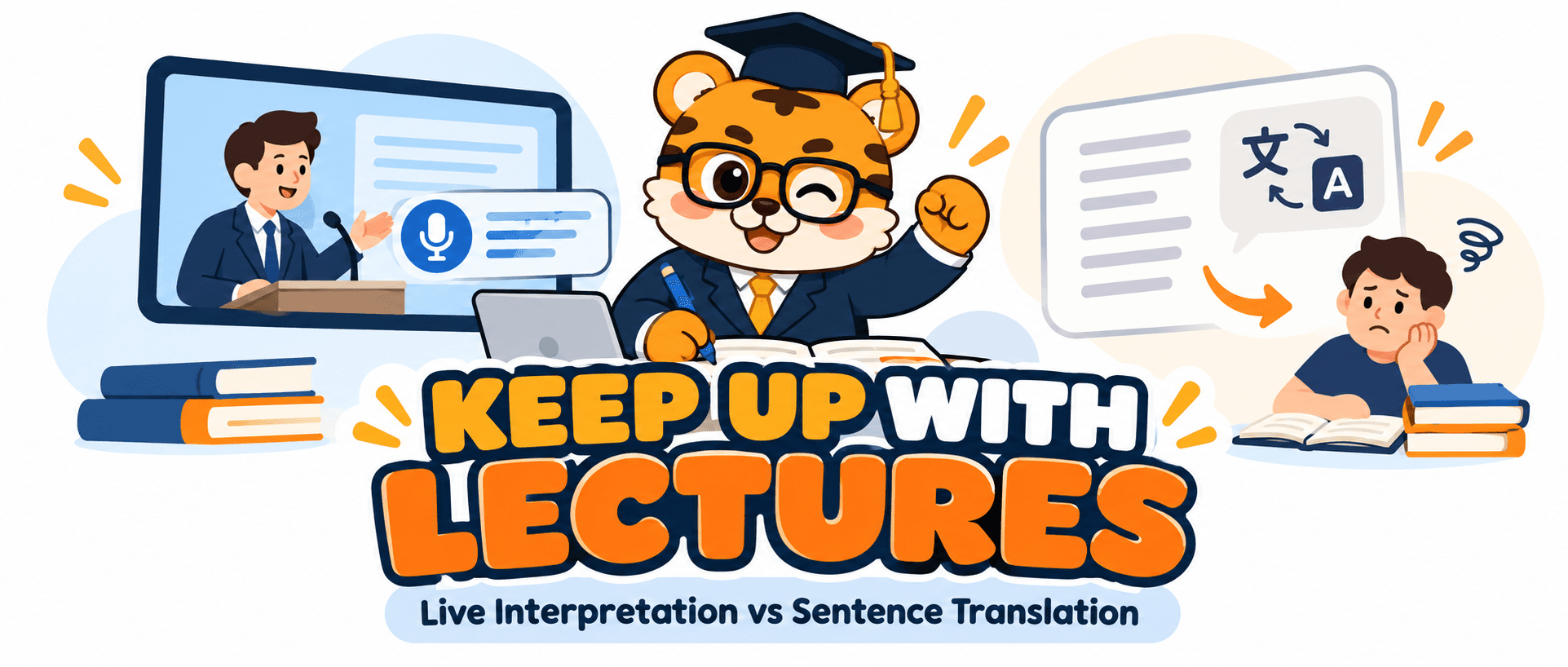
The hardest moment in a lecture is often not missing one word. It is stopping to look it up, then realizing the instructor has already moved to the next slide. By the time you piece that sentence together, the example that followed it is gone too. Your mind feels like a browser with too many tabs still loading.
That is the biggest difference I see between sentence-by-sentence translation and a simultaneous interpretation app. The first takes one sentence at a time, which works well for a short message or a quick question. A lecture keeps moving, with concepts, examples, and extra explanations connected to one another. You need more than the translation of a sentence; you want to stay with the instructor’s train of thought.
Sentence-by-sentence translation is still useful when you have a short passage and want to understand it. The challenge in class is different: the instructor is still speaking, and you want to keep understanding along the way. Those needs sound similar, but the experience can be quite different.
01 A lecture keeps moving, and pauses can make you fall behind

Sentence-by-sentence translation usually follows a stop-and-start rhythm. You hear a sentence, pause, send it for translation, and read the result. That feels natural for a short message because the text is already waiting for you. A lecture is different: the instructor may introduce an idea, give an example, and add a qualification. Together, those lines make a complete point.
Stopping to process each sentence is a little like pausing a match to check a pass. You may understand that one moment afterward, but the game has moved on. Once your attention returns, you have to find the instructor’s main thread again. That can take more effort than looking up one word.
A simultaneous interpretation app works differently. It continuously recognizes speech and presents the original and translated text as captions. You do not have to wait for one sentence to end before moving to the next. Your eyes can follow the lecture as it continues. Even if one word is unclear, it is easier to catch the explanation that comes right after it.
I think of it as an extra track alongside the lecture. It does not put the whole class into your head for you, but it can help you avoid stepping away from the instructor every few seconds. You are still listening, with another way to check what you hear.
To see whether this format fits you, try it with a continuous explanation rather than a couple of short exchanges. Notice how often you pause for one word and then miss the reasoning that follows. If that happens regularly, sentence-by-sentence translation may be working at the wrong pace for the class.
02 Seeing both languages helps you follow the instructor’s ideas
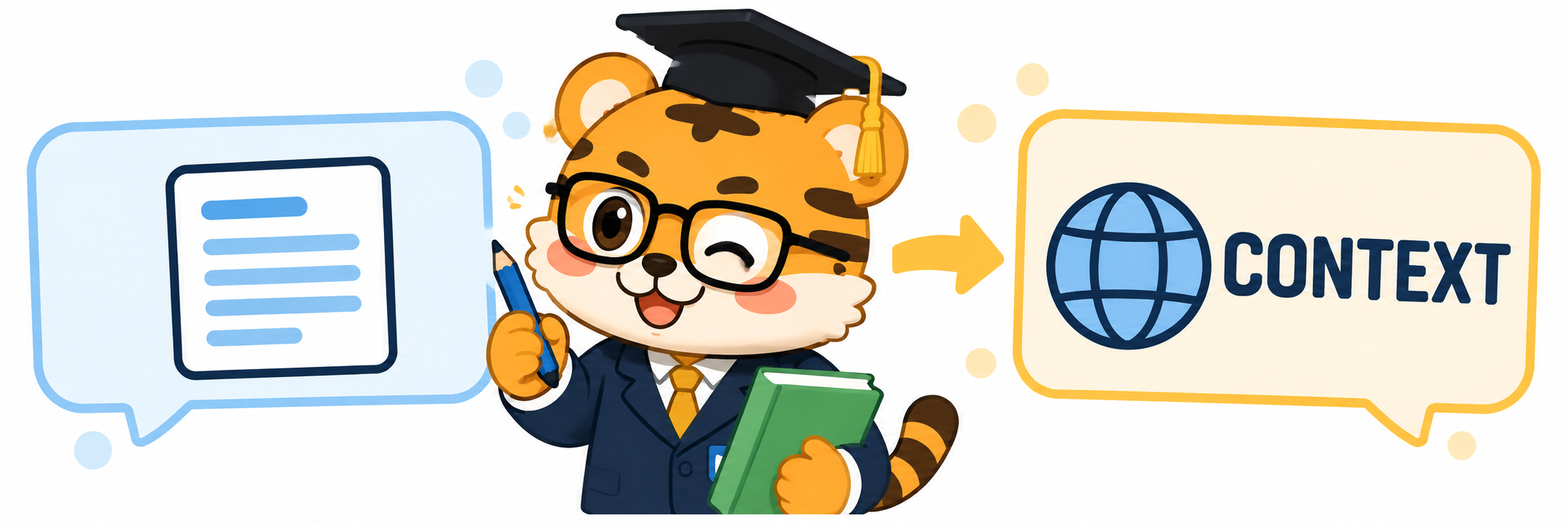
Another difference is that sentence translation can make you focus only on the translated result. Understanding is important, but lectures also contain abbreviations, course terms, names, numbers, and the occasional change of wording. If you see only the result, you may understand the general idea without knowing which words the instructor actually used.
Bilingual captions keep the original and translated text within the same view. You can follow the translation for meaning, then check a key term in the original. If the instructor repeats a course term, you can notice its spelling. If the translated phrase feels awkward, the original sentence is still there to help you interpret it in context.
This can be useful when you are getting used to classes in English. You do not need to force yourself to catch every word, and you do not have to give up the original language either. Understanding the lesson and becoming familiar with its expressions can happen in the same class. A few weeks later, you may notice that some familiar phrases no longer need a translation. That progress feels concrete.
Still, captions do not make learning automatic. A small screen, crowded text, or a fast speaker can keep your eyes busy. I would treat captions as a supporting view rather than something to chase for the entire class. Listen when the instructor emphasizes an idea, use captions to fill in context, and mark unclear points to revisit during a break.
The point is not that one format is smarter. A lecture calls for the original words and their meaning side by side. A workflow built for short text may not fit an explanation that keeps changing. The right way to present information can help you stay with the instructor’s logic.
03 Reviewing after class can turn what you heard into useful notes
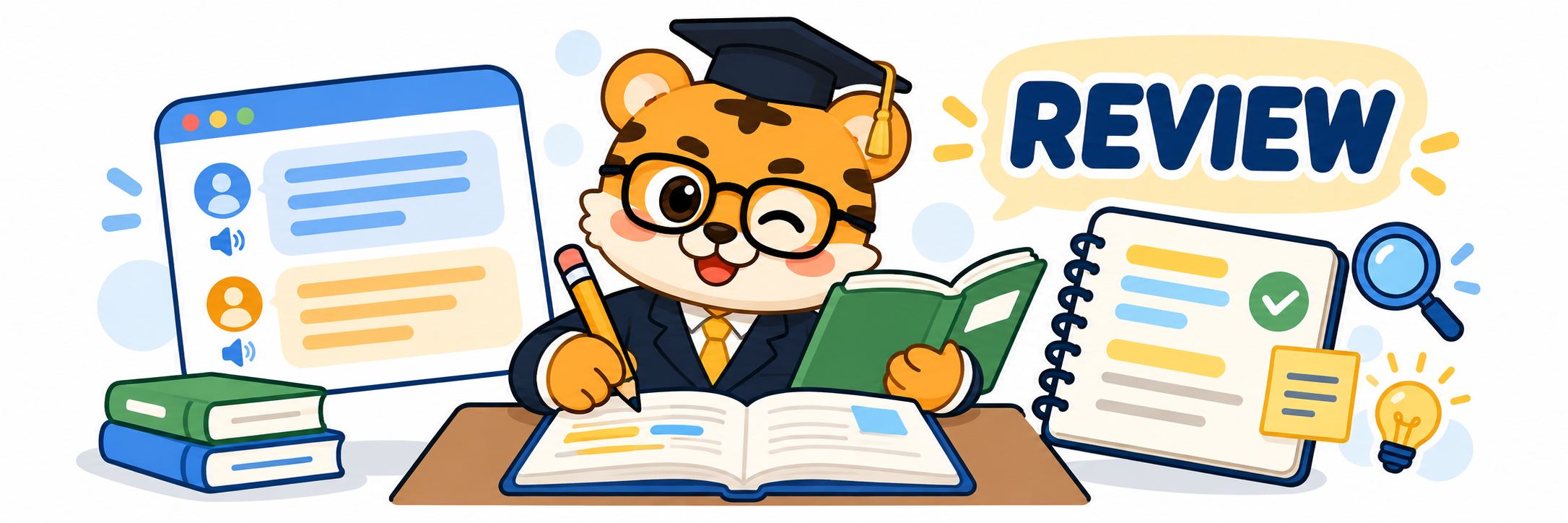
There is another practical question: how much do you remember after class? At the time, it can feel as if everything made sense. Back at your desk, you open your notes and find that you wrote only half of a definition and missed the example. With sentence translation, you may have to reconstruct the conversation afterward.
If an interpretation app can save a session or export bilingual captions, there is another step to the experience: what you can do after listening. You can revisit a line you missed, add a term to your notes, and keep the instructor’s English phrasing alongside your translation. It will not write good notes for you, but it can leave the class content available when you organize it later.
That is one reason Huhu, also known as 优秀同传, can fit a classroom routine. It is designed for classes, meetings, and cross-language communication, with real-time speech recognition, original and translated captions, saved interpretation records, and bilingual SRT export. Its web experience also includes WAV and MP3 audio import and transcription. Visit the official Huhu App Store page to see how it works, then try it with the kind of class or audio you actually use.
In class, the most noticeable change may be having fewer reasons to switch between windows. You can keep your attention on where the instructor is going and why an example matters, then add key terms and your own understanding to your notes. A smoother listening flow can also make it easier to find your place when you review later.
Think back to the opening moment: you look up one word, and the rest of the explanation moves on. Sentence translation does not fail because it is necessarily wrong; it asks you to pause. A simultaneous interpretation app can fit lectures better because continuous speech, bilingual reference, and review can stay connected.
Start by noticing where you usually get stuck. If one sentence is unclear, sentence translation may still be the easiest option. If pausing makes it hard to find the instructor’s place again, live captions are worth trying.
If this guide helped, feel free to leave a like.
Thanks for reading. See you next time.